Miami Art Deco Walking Tour: A Self-Guided Exploration
Embark on a captivating journey through Miami’s iconic Art Deco District! Discover vibrant architecture with a self-guided exploration, uncovering the Magic City’s unique style.
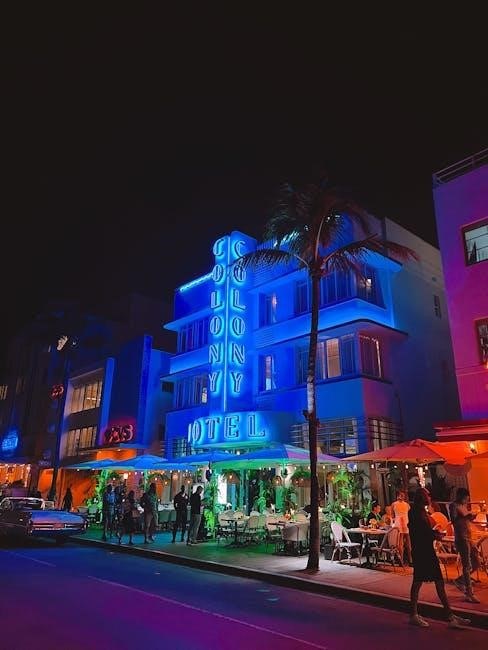
Welcome to the heart of South Beach, where a stunning collection of over 800 historically preserved buildings awaits! The Miami Art Deco District, stretching along Ocean Drive, Collins Avenue, and Washington Avenue, is a visual feast of 1930s architecture. This unique neighborhood transports visitors back to a glamorous era, showcasing pastel-colored buildings adorned with geometric designs, porthole windows, and neon lights.
A self-guided walking tour allows you to experience the district at your own pace, soaking in the atmosphere and appreciating the intricate details of each building. Whether you’re an architecture enthusiast, a history buff, or simply seeking a beautiful stroll, the Art Deco District offers something for everyone. Prepare to be captivated by the stories behind these iconic structures and the vibrant energy of Miami Beach!
Historical Context of Miami Art Deco (1920s-1940s)
The story of Miami Art Deco begins in the 1920s, following a devastating hurricane that leveled much of the city. As Miami rebuilt, architects embraced the Art Deco style, popular at the time, adapting it to the subtropical climate. The 1930s witnessed a building boom, fueled by optimistic investors and a desire to create a glamorous resort destination. This era saw the construction of many of the iconic hotels and buildings that define the district today.
World War II brought construction to a halt, but the existing structures remained, preserving a unique architectural snapshot. Post-war, Miami experienced a period of decline, but thankfully, the architectural heritage was recognized and protected. The Miami Design Preservation League, founded in 1979, played a crucial role in saving these buildings from demolition, ensuring their preservation for future generations.
Key Architectural Features of Art Deco Style
Miami’s Art Deco buildings showcase distinctive features born from the 1920s-40s aesthetic. Geometric shapes, including chevrons, zigzags, and stepped forms, are prominent, creating a dynamic visual rhythm. Symmetrical facades and streamlined designs reflect the machine age’s influence, emphasizing modernity and progress. Look for porthole windows, a nautical nod to the era’s fascination with ocean liners.
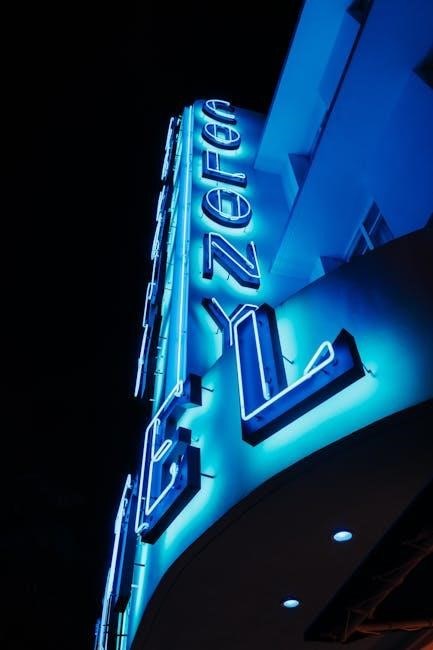
Tropical influences are uniquely integrated, with pastel colors – pinks, blues, and lavenders – reflecting the sunny climate. Decorative details often include stylized floral motifs, sunbursts, and depictions of local flora and fauna. Materials like stucco, glass blocks, and metal ornamentation are frequently used. These elements combine to create a visually striking and uniquely “Miami” interpretation of the Art Deco style.
The Miami Design Preservation League & Tours
The Miami Design Preservation League (MDPL) is crucial to the Art Deco District’s survival. Founded in 1979, MDPL tirelessly advocated for preservation, saving buildings from demolition and establishing the Architectural District. They operate the Art Deco Welcome Center, a valuable resource for visitors seeking information and guided tours.
MDPL offers a variety of tours, including the official Art Deco Walking Tour, a 1.5 to 2-hour exploration of the area’s architectural styles – Art Deco, Mediterranean Revival, and MiMo. These tours often include access to building interiors, providing a deeper understanding of the design. While a self-guided tour offers flexibility, consider joining an MDPL tour for expert insights and access to hidden gems. Supporting MDPL directly contributes to the ongoing preservation efforts.
Planning Your Self-Guided Tour
Embarking on a self-guided tour requires minimal preparation! Begin by obtaining a map – available online or at the Art Deco Welcome Center. Allocate approximately 2-2.5 hours to comfortably explore the core district, though you can easily extend this based on your interests. Prioritize Ocean Drive, Collins Avenue, and Washington Avenue as key areas.
Consider a route that balances architectural viewing with opportunities for shopping and dining; Many buildings feature plaques detailing their history and architectural significance; take time to read these. Don’t be afraid to wander off the main streets to discover hidden Art Deco treasures. A flexible itinerary allows for spontaneous exploration and a personalized experience. Remember, nearly 800 buildings are preserved, so focus on a manageable area!
Best Time to Take the Tour (Weather & Crowds)
Optimal touring conditions exist during the shoulder seasons: March-May and September-November. These months offer pleasant temperatures, reducing the risk of intense heat and humidity common in summer. Avoiding peak season (winter) minimizes large crowds, enhancing your experience and allowing for better photo opportunities.
Early mornings (8:00 AM ⎼ 10:00 AM) provide cooler temperatures and fewer pedestrians, ideal for focused architectural observation. Late afternoons (4:00 PM ⎼ 6:00 PM) offer softer light for photography and a vibrant atmosphere as the area comes alive. Be mindful of potential rain showers, especially during the summer months; check the forecast beforehand. Comfortable walking shoes are essential, regardless of the time of day!
Essential Items to Bring (Map, Water, Sunscreen)
Preparation is key for a comfortable and enjoyable self-guided tour! First, a detailed map of the Art Deco District is crucial for navigation – either a physical copy or a downloaded version on your smartphone. Staying hydrated is vital, especially in the Miami heat, so bring plenty of water. High SPF sunscreen is non-negotiable to protect your skin from the strong sun.
Consider a hat and sunglasses for added protection. Comfortable walking shoes are a must, as you’ll be covering a significant distance. A portable charger for your phone will prevent battery drain while using maps and cameras. Don’t forget your camera to capture the stunning architecture! A small backpack can conveniently hold all these essentials, leaving your hands free.
Ocean Drive: The Heart of Art Deco
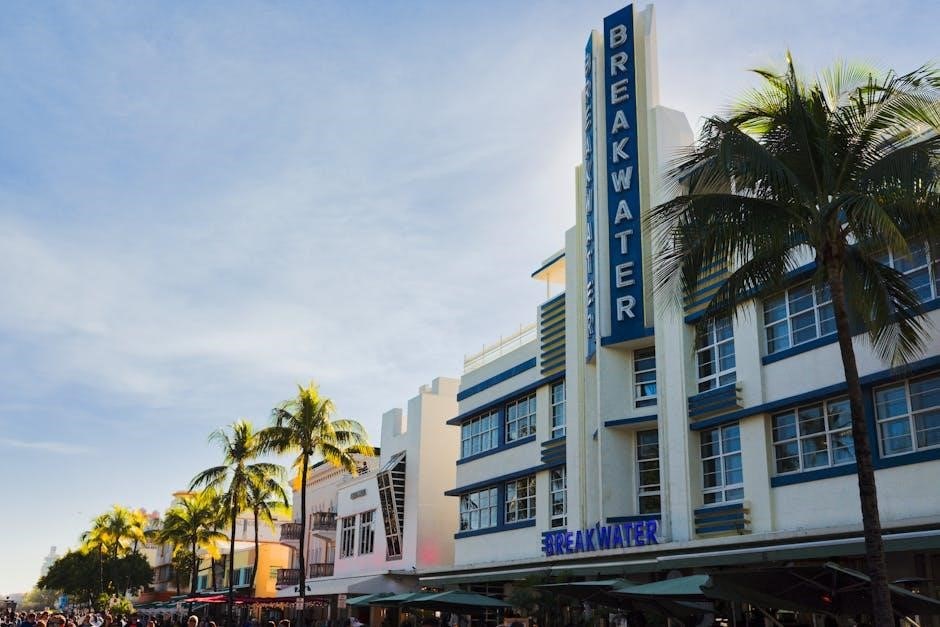
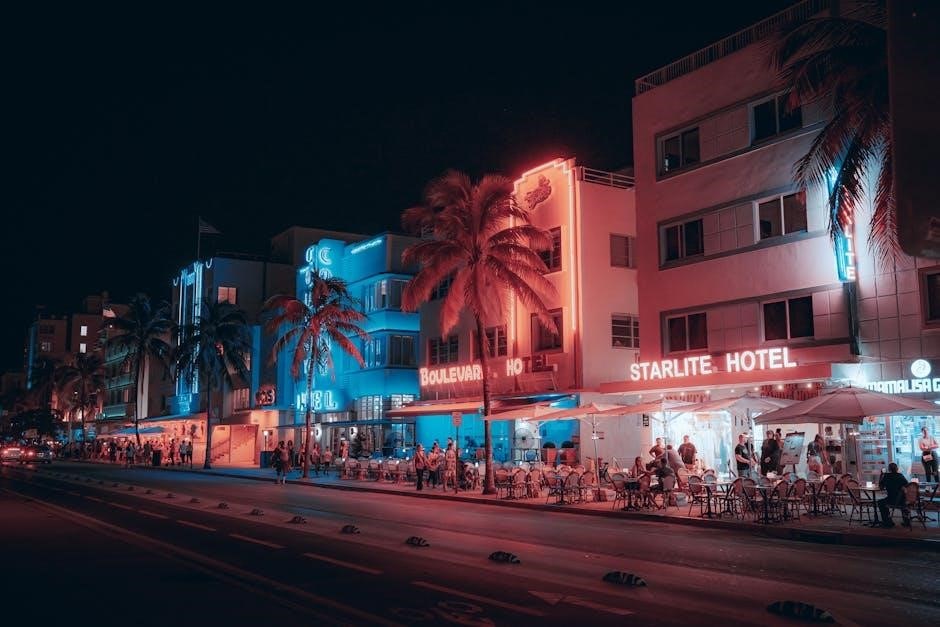
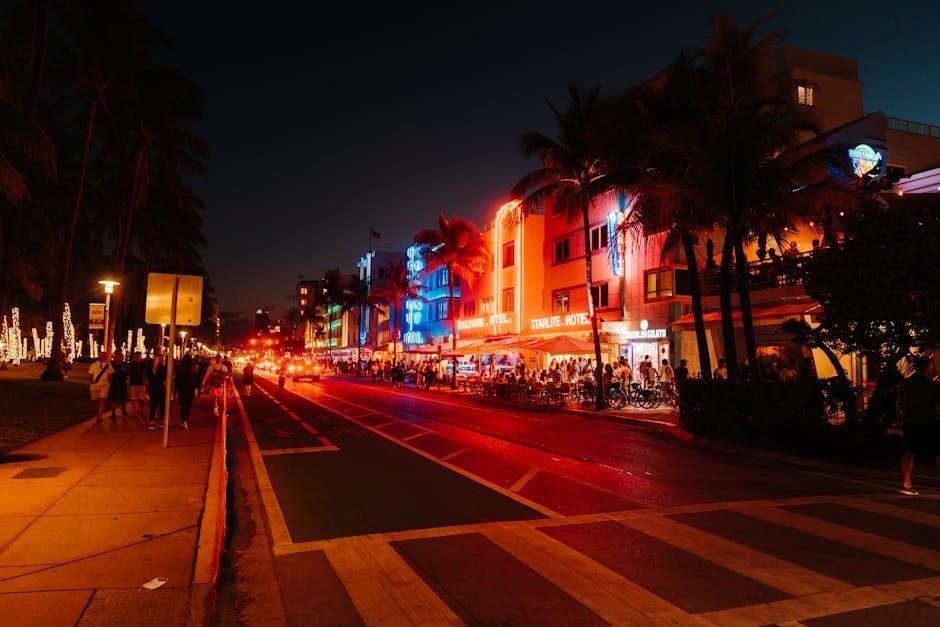
Ocean Drive is undeniably the epicenter of Miami’s Art Deco District, a vibrant and iconic street brimming with architectural treasures. As you stroll along this famous thoroughfare, you’ll be immediately immersed in a pastel-colored paradise. The street’s energy is palpable, with a lively atmosphere created by bustling cafes, restaurants, and the constant flow of people.
Ocean Drive offers a concentrated showcase of Art Deco hotels, each boasting unique details and historical significance. Take your time to admire the geometric designs, porthole windows, and neon signage that define the style. It’s the perfect starting point for your self-guided tour, providing a stunning introduction to the district’s aesthetic charm and historical allure.
Notable Buildings on Ocean Drive (Colony Hotel, Park Central Hotel)
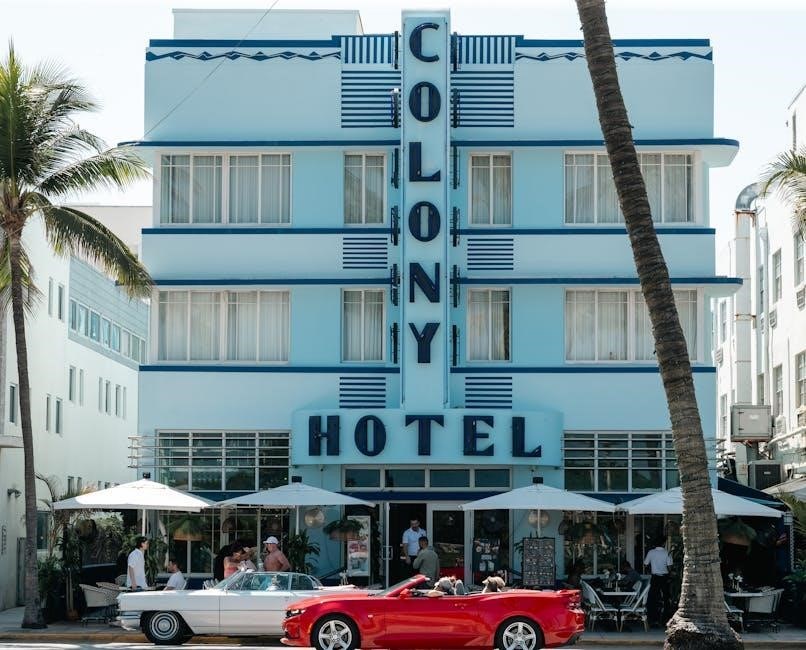
Ocean Drive showcases architectural gems, with the Colony Hotel and Park Central Hotel standing out as prime examples of Art Deco elegance. The Colony Hotel, with its striking turquoise and white façade, is a visual delight, embodying the playful spirit of the era. Its intricate detailing and symmetrical design are hallmarks of the style.
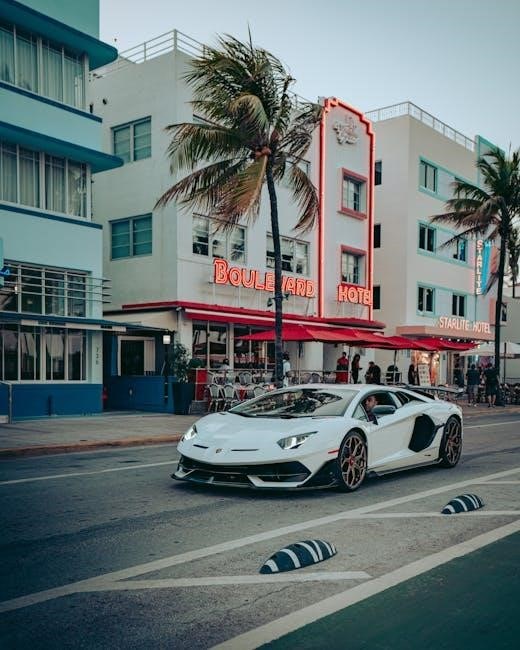
Nearby, the Park Central Hotel captivates with its sophisticated charm and streamlined aesthetic. Notice the building’s vertical emphasis, a common feature in Art Deco architecture, and the elegant ornamentation. Both hotels offer a glimpse into Miami’s glamorous past and serve as stunning backdrops for photographs. Don’t miss the opportunity to appreciate the unique character of each building as you explore Ocean Drive!
Exploring Collins Avenue’s Art Deco Gems
Venture north from Ocean Drive to Collins Avenue, where a wealth of Art Deco treasures awaits discovery. While Ocean Drive is famed, Collins Avenue presents a more expansive collection of beautifully preserved buildings, often showcasing a slightly different nuance within the Art Deco style.
Look for hotels and residences exhibiting geometric patterns, pastel hues, and nautical-themed ornamentation – a nod to Miami’s coastal location. Pay attention to the details: the sunburst motifs, the stylized floral designs, and the sleek, modern lines. Collins Avenue offers a quieter, more relaxed pace for appreciating the architectural beauty. Take your time to observe the subtle differences and the overall grandeur of these iconic structures, truly immersing yourself in the Art Deco world.
Washington Avenue’s Architectural Diversity
Washington Avenue presents a fascinating contrast to Ocean Drive and Collins Avenue, showcasing a broader spectrum of architectural styles beyond pure Art Deco. Here, you’ll encounter a captivating blend of Mediterranean Revival, Art Moderne, and even some examples of early Miami Modern (MiMo) architecture, creating a unique visual tapestry.
This avenue reflects the evolving architectural landscape of Miami Beach throughout the decades. While Art Deco elements are certainly present, they often coexist with other influences, resulting in a more eclectic and dynamic streetscape. Observe how different styles complement and contrast with one another, offering a deeper understanding of the city’s architectural history. Washington Avenue is a testament to Miami Beach’s vibrant and ever-changing character.
Beyond Ocean Drive: Hidden Art Deco Treasures
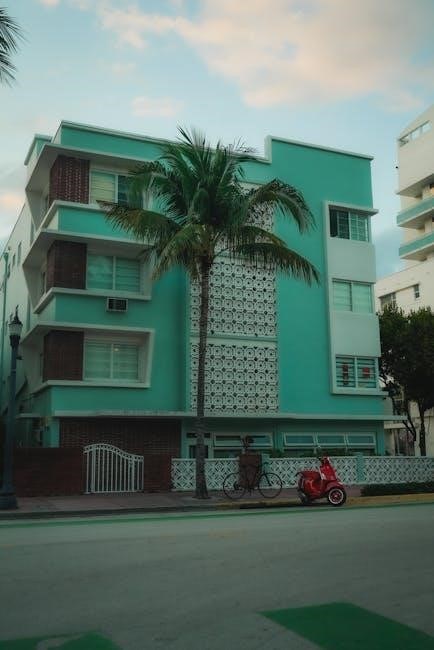
Venture off the main thoroughfares to uncover the lesser-known Art Deco gems tucked away on Miami Beach’s side streets. While Ocean Drive and Collins Avenue boast the most famous examples, a true exploration reveals a wealth of beautifully preserved buildings in the residential areas.
These hidden treasures often exhibit a more intimate and understated elegance, offering a glimpse into the daily life of the district during its heyday. Look for smaller hotels, apartment buildings, and even private residences adorned with classic Art Deco details like geometric patterns, pastel colors, and porthole windows. Exploring these quieter streets provides a more authentic and immersive experience, allowing you to appreciate the widespread influence of Art Deco throughout the entire neighborhood. Don’t be afraid to wander and discover!
Side Streets & Residential Art Deco Buildings
Delve deeper into the Art Deco District by exploring the charming side streets radiating from Ocean Drive and Collins Avenue. These quieter avenues reveal a fascinating collection of residential Art Deco buildings, often overlooked by casual visitors. Discover a more intimate side of the district’s architectural heritage, showcasing the style’s influence beyond the grand hotels.
Pay attention to the details – the decorative reliefs, the vibrant color schemes, and the unique window designs. Many of these buildings were originally apartments or smaller hotels, reflecting the area’s evolution as a residential and tourist destination. Walking these streets offers a peaceful contrast to the bustling main thoroughfares, allowing for a closer appreciation of the Art Deco aesthetic in a more everyday context. It’s a rewarding experience for dedicated explorers!
Art Deco Interiors: Accessing Building Lobbies
Enhance your Art Deco experience by venturing inside select buildings! While many are private residences, some hotels and commercial spaces graciously allow public access to their lobbies. These interiors often showcase stunning Art Deco details – terrazzo floors, geometric light fixtures, and original furniture – providing a complete immersion into the era’s design sensibilities.
The Miami Design Preservation League offers guided tours that frequently include lobby access, but independent exploration is also possible. Be respectful and discreet when entering lobbies; remember these are often working spaces. Look for hotels that actively promote their Art Deco heritage. Don’t hesitate to politely inquire about viewing the lobby; many establishments are proud to share their architectural treasures. It’s a unique opportunity to step back in time!
Photography Tips for Capturing Art Deco Beauty
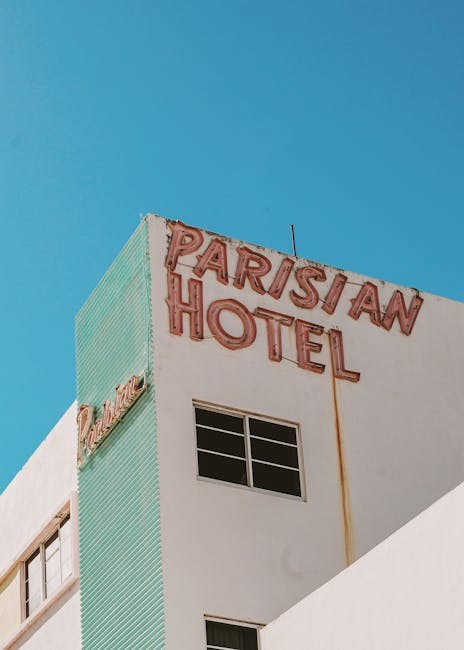
Preserve the splendor of Miami’s Art Deco District through captivating photography! Utilize the golden hours – shortly after sunrise and before sunset – for soft, warm light that accentuates the buildings’ details. Pay attention to symmetry and geometric patterns, hallmarks of the Art Deco style. Experiment with different angles; shooting from below can emphasize the height and grandeur of structures.
Don’t forget to capture the vibrant colors and neon signs that define Ocean Drive. Consider using a polarizing filter to reduce glare and enhance color saturation. Include people in your shots to convey the energy of the area. Be mindful of compositions, leading lines, and the rule of thirds. Most importantly, take your time and enjoy the process of documenting this architectural gem!
Resources for Further Exploration
Deepen your understanding of Miami’s Art Deco heritage with these valuable resources! Begin with the Miami Art Deco Welcome Center, offering guided tours, exhibits, and insightful information about the district’s history and architecture. Explore their official website for schedules and details.
Numerous online maps and guides are available, providing self-guided tour routes and building information. The Miami Design Preservation League’s website is an excellent starting point. Consider exploring architectural websites and blogs dedicated to Art Deco. Books on Miami’s history and architecture can offer further context. Don’t hesitate to engage with local historians or architectural enthusiasts for unique perspectives. These resources will enrich your appreciation for this iconic style!
Miami Art Deco Welcome Center
Start your Art Deco adventure at the Miami Art Deco Welcome Center! Located at 1001 Ocean Drive, it serves as the central hub for exploring the district. Here, you can join the Official Art Deco Walking Tour led by the Miami Design Preservation League, a fantastic introduction to the area’s history and architectural gems.
The Welcome Center also features exhibits showcasing the district’s evolution and design principles. Knowledgeable staff are available to answer questions and provide maps. It’s an ideal place to purchase souvenirs and learn about preservation efforts. Tours depart regularly, offering a comprehensive overview of the Art Deco style. Visiting the Welcome Center is highly recommended for a richer, more informed self-guided experience!
Online Maps and Guides
Enhance your self-guided tour with readily available online resources! Numerous websites offer detailed maps specifically designed for exploring the Miami Art Deco District. These digital guides often highlight key buildings, providing historical context and architectural insights. Search for “Miami Art Deco self-walk map” to discover various options.
Several blogs and travel websites feature curated itineraries and step-by-step directions, allowing you to customize your exploration. Interactive maps enable you to zoom in on specific areas and identify points of interest. Utilizing these online tools ensures a well-planned and informative experience. Don’t forget to check the Miami Design Preservation League’s website for additional resources and virtual tours!